
Chewy Pizza Dough Recipe with Yeast for Blistered Homemade Crusts
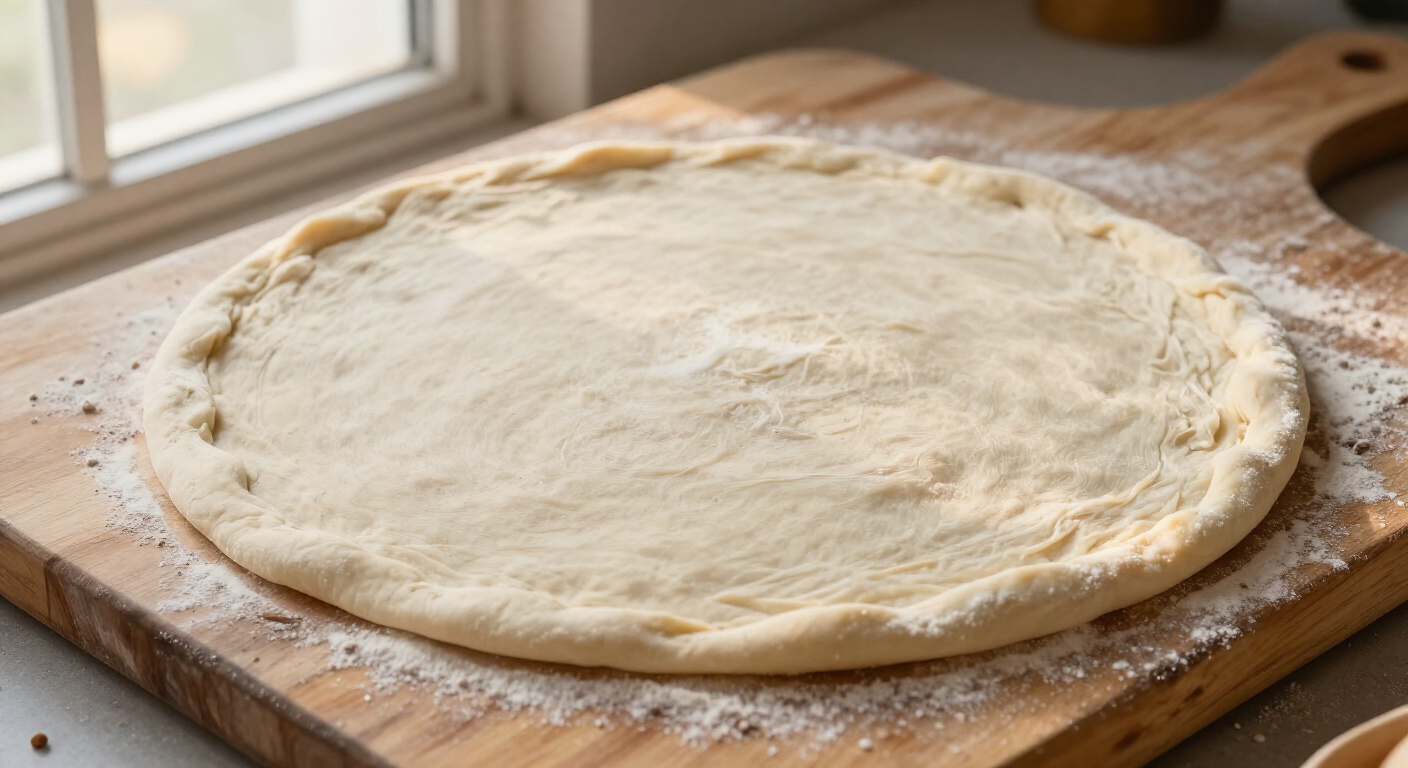
Pizza dough recipe with yeast in just 30 minutes: a chewy, blistered crust that sizzles in the oven. Get the full step-by-step guide and bake tonight.
Your pizza dough recipe with yeast turns into a chewy, blistered crust that sizzles loudly in a hot oven. Only 20 minutes of hands-on work, plus a patient rise, gives you bread-flour chew you can't buy. It's my go-to for a Friday night fire with friends, and it's a crowd-pleaser every time.
Why This Recipe Works
• Warm water wakes yeast without killing it: At 105 to 110°F the yeast foams up fast, while hotter water can stun or destroy it. The pinch of sugar gives it a quick first meal.
• Kneading builds an elastic gluten network: Eight to ten minutes of kneading lines up proteins into strands that trap the gas yeast produces. Press the dough and it should spring back.
• Resting the balls relaxes stubborn gluten before stretching: Thirty to forty-five minutes lets the tight strands loosen, so the dough stretches thin without tearing.
• Stretching from the center keeps air pockets intact: Pressing outward, with a thicker rim, traps the gas bubbles that puff up the edge in the oven.
Ingredients You'll Need
Bread Flour: This is the backbone of your crust, and its higher protein is what gives it that chewy bite. Kneading turns that protein into gluten, which keeps the dough springy instead of cakey. All-purpose flour works in a pinch, but the crust will come out a little softer.
Warm Water: Warm water wakes the yeast and gets everything moving. Aim for 105 to 110°F, because anything hotter can stun or kill the yeast. Warmed whole milk works too, though it gives a softer, more tender crust.
Active Dry Yeast: This is the living leavener that makes the dough puff and bubble. One packet, about 7 grams, is exactly right for this batch. Instant yeast is the best swap, used in the same amount, and you can skip the foaming step.
Granulated Sugar: One teaspoon gives the yeast a quick first meal, so it foams faster. You won't taste it in the finished crust. Honey or maple syrup can stand in, using the same amount.
Fine Sea Salt: Salt tightens the gluten and adds the flavor that makes the crust taste like something. It also slows the yeast a little, keeping the rise under control. Table salt works, but use about 1 teaspoon instead, since it's denser.
Extra-Virgin Olive Oil: Olive oil keeps the dough supple and adds a fruity, savory note. A little also goes in the bowl so the dough doesn't stick while it rises. Any light olive oil or neutral oil, like avocado or canola, works.


Ready to Make It
Proof the yeast, knead the dough smooth, let it double, then shape two rounds for the fire. Even if the dough feels stubborn at first, stick with it, and you'll nail it.

- Whisk the yeast and sugar into the warm water until foamy and bubbly on top, 5-10 minutes at 105-110°F / 40-43°C. Instant yeast can go straight into the flour, so you can skip this wait.

- Stir the flour and fine sea salt in a large bowl, then pour in the yeast mixture and olive oil. Mix with a wooden spoon until a shaggy dough forms, 2-3 minutes at room temperature (75°F / 24°C).

- Knead the dough on a lightly floured counter until smooth, elastic, and springy when pressed, 8-10 minutes at room temperature (75°F / 24°C). Dust with flour only if it sticks.

- Oil a clean bowl with olive oil, place the dough inside, and turn it once to coat. Cover and let it rise until doubled in size, 1-2 hours at room temperature (75°F / 24°C).

- Divide the risen dough into two equal pieces and roll each into a tight, smooth ball until the skin feels taut, 2-3 minutes at room temperature (75°F / 24°C).

- Set the balls on a floured tray, spaced apart, and let them rest until soft, relaxed, and slightly puffed, 30-45 minutes at room temperature (75°F / 24°C).

- Press one ball from the center outward into a 10-12 inch (25-30 cm) round, leaving a slightly thicker rim, until thin and elastic, 3-5 minutes at room temperature (75°F / 24°C).

Recipe Notes
• Storage: Leftover baked pizza keeps in the fridge for up to 3 days. Reheat slices in a 450°F oven for 5 minutes until the edges crisp. Dough balls freeze well for up to 3 months, wrapped in oiled freezer bags.
• Key substitution: No bread flour? All-purpose flour works in the same 375 g amount. Your crust will be softer and less chewy, so knead a minute longer.
• Make-ahead tip: Shape the dough balls a day ahead, oil them lightly, and chill them covered in the fridge. Pull them out an hour before stretching so they soften again.
• Common mistake: Dusting the counter with too much flour makes the dough dry and tough. Use a light hand and brush off any extra before stretching, so the crust blisters.
Serving size: 1 portion · Calories: 310 · Total Fat: 8g · Saturated Fat: 1g · Carbs: 55g · Fiber: 3g · Sugar: 1g · Protein: 9g · Sodium: 720mg
Tips and Tricks
- Equipment: Preheat a pizza steel: A heavy steel holds heat and pushes it up into the dough. The bottom crisps while the rim puffs. A baking sheet works, but it blisters less.

- Temperature precision: Rise at a steady 75°F: Room temperature around 75°F (24°C) keeps the rise on schedule. In a cold kitchen, the wait can stretch past two hours.
- Common mistake: Shaping the balls loosely: If the skin isn't taut when you roll each ball, it can split during resting. Tuck the edges under and feel for a smooth, tight surface.
- Flavour upgrade: Brush the rim with garlic oil: Stir a little minced garlic into extra olive oil and brush the rim right after baking. It's optional, but the smell fills the whole kitchen.
- Texture tip: Bake on a fully hot surface: A well-preheated surface blisters the rim fast while the centre stays chewy. That loud sizzle is exactly what you want to hear.

Frequently Asked Questions
Can I use whole wheat flour instead of bread flour in this dough?
Yes, swap up to one-third of the bread flour for whole wheat, such as 1 cup (125 g) whole wheat and 2 cups (250 g) bread flour. Add 1 to 2 tablespoons more warm water, since whole wheat drinks up more liquid, and expect a denser, nuttier crust.
How long does this pizza dough keep in the fridge or freezer, and how should I thaw it?
Refrigerated dough balls keep well for up to 2 days, but freezing them in oiled bags is best for longer storage. Thaw frozen balls overnight in the fridge, then bring them to room temperature for an hour before stretching.
Why won't my dough double in size during the rise?
A cool kitchen is the usual culprit, so set the covered bowl somewhere around 75°F and give it up to two hours. To check, poke a floured finger about half an inch in; a slow-filling dent means it's ready.
What to Serve With This
- Lemony Arugula Salad: Peppery greens in a sharp lemon vinaigrette cut through the rich, chewy crust and keep each bite bright.
- Whipped Ricotta with Lemon Zest: Cool, silky cream against the blistered, crackly edge makes every bite feel indulgent.
- Cucumber and Tomato Salad: Crisp, juicy vegetables with a splash of vinegar lighten the bread and add a fresh crunch.
- Garlic White Bean Dip: Velvety and mild, it spreads easily onto warm crust edges and balances the chewy dough.

Chewy Pizza Dough Recipe with Yeast for Blistered Homemade Crusts
Dinner / Italian
- Prep
- 20 min
- Cook
- 10 min
- Total
- 30 min
- Servings
- 4
- Calories
- 310 kcal
Ingredients
- 3 cups (375 g) bread flour, plus more for dusting
- 1 cup (240 ml) warm water (105–110°F)
- 2¼ teaspoons (1 packet, about 7 g) active dry yeast or instant yeast
- 1 teaspoon granulated sugar
- 1¼ teaspoons fine sea salt
- 2 tablespoons extra-virgin olive oil, plus more for the bowl
Instructions
- Whisk the yeast and sugar into the warm water until foamy and bubbly on top, 5-10 minutes at 105-110°F / 40-43°C. Instant yeast can go straight into the flour, so you can skip this wait.
- Stir the flour and fine sea salt in a large bowl, then pour in the yeast mixture and olive oil. Mix with a wooden spoon until a shaggy dough forms, 2-3 minutes at room temperature (75°F / 24°C).
- Knead the dough on a lightly floured counter until smooth, elastic, and springy when pressed, 8-10 minutes at room temperature (75°F / 24°C). Dust with flour only if it sticks.
- Oil a clean bowl with olive oil, place the dough inside, and turn it once to coat. Cover and let it rise until doubled in size, 1-2 hours at room temperature (75°F / 24°C).
- Divide the risen dough into two equal pieces and roll each into a tight, smooth ball until the skin feels taut, 2-3 minutes at room temperature (75°F / 24°C).
- Set the balls on a floured tray, spaced apart, and let them rest until soft, relaxed, and slightly puffed, 30-45 minutes at room temperature (75°F / 24°C).
- Press one ball from the center outward into a 10-12 inch (25-30 cm) round, leaving a slightly thicker rim, until thin and elastic, 3-5 minutes at room temperature (75°F / 24°C).
Share this article
About the author

Daniela Ruiz
Daniela built the pizza oven with her father the summer before he got sick, and she has lit it almost every Friday since. The fire is where she goes to be close to him. The dough is stubborn, the crust is blistered and loud, and she would not trade one night of it.
Related articles
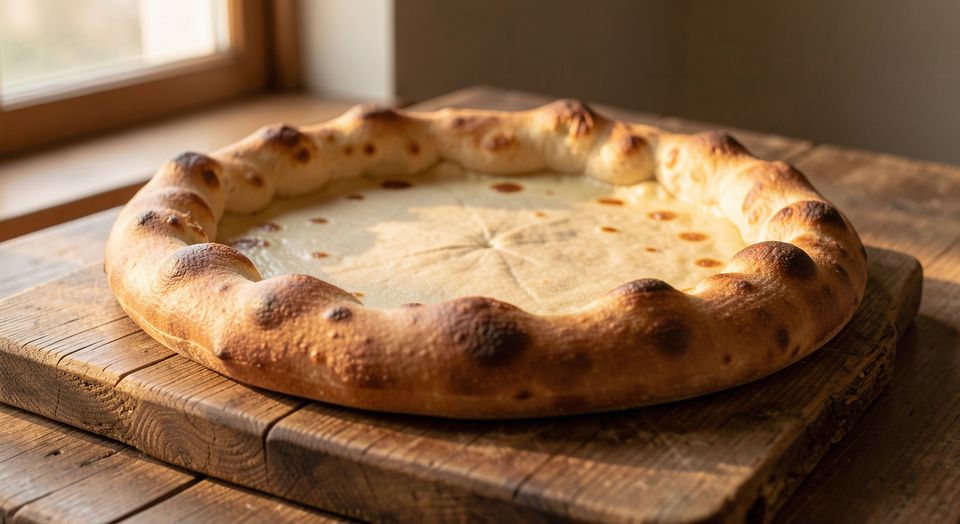 Pizza Dough
Quick and Blistered Pizza Dough Without Yeast or Baking Powder
Pizza dough without yeast or baking powder bakes into a blistered, golden crust in 22 minutes, with a sizzling rim worth every stubborn stretch.
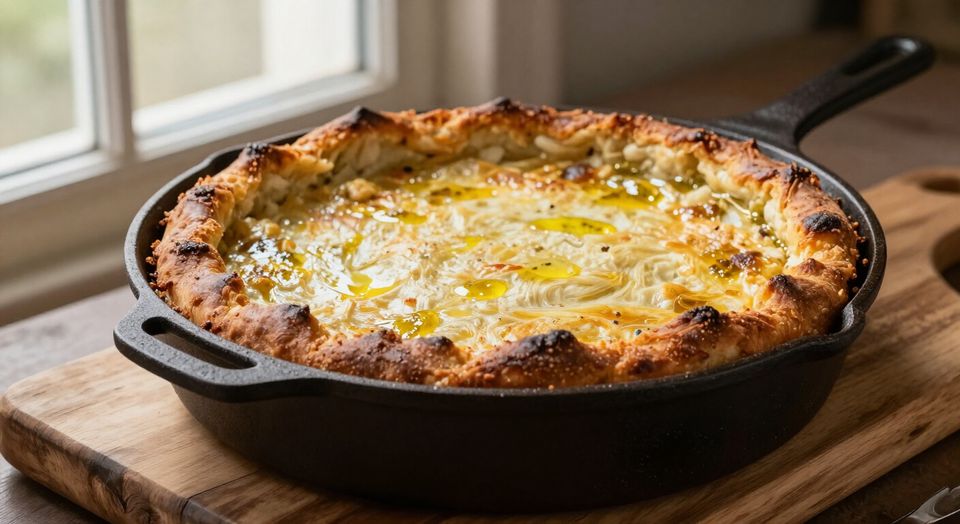 Pizza Dough
Thick Crust Pizza Dough Recipe for a Blistered Pan Pizza
Thick crust pizza dough recipe for a crispy, blistered pan pizza ready in 43 minutes. Bake yours tonight with our easy cast-iron method.
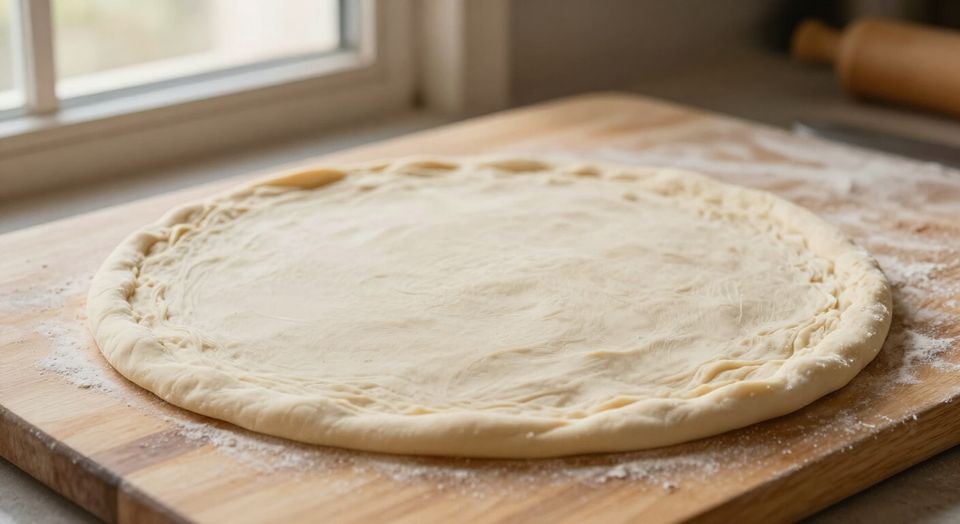 Pizza Dough
Easy Homemade Pate a Pizza Dough Recipe for Blistered Crust
Pate a pizza that blisters and puffs in 100 minutes, with a golden, crisp crust you can make at home. Get the easy recipe and bake tonight.